Insider tips to avoid delays in Lambeth rubbish collections
Posted on 18/06/2026
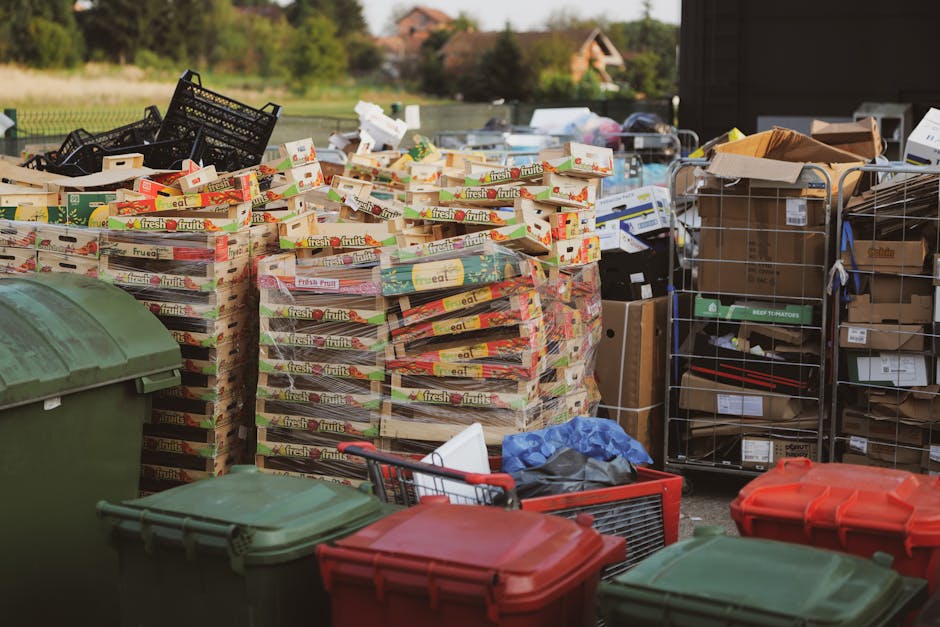
If you have ever dragged bags to the kerb early on a grey London morning, only to find them still sitting there when you come home, you already know the frustration. Delays in waste collections are annoying, untidy, and sometimes they create a knock-on mess for the whole household or business. The good news is that most setbacks are avoidable if you know how the process works and what tends to trip people up in the first place. This guide shares Insider tips to avoid delays in Lambeth rubbish collections, with practical advice for homes, landlords, builders, offices, and anyone trying to keep waste moving smoothly.
You will find a clear step-by-step approach, common mistakes to avoid, useful comparisons, and a realistic checklist you can actually use. No fluff. Just the kind of local, working advice that saves time and reduces stress.
Why Insider tips to avoid delays in Lambeth rubbish collections Matters
Delays may look like a small inconvenience, but in practice they can create a proper chain reaction. A missed or postponed collection can mean bins overflowing, waste spilling into shared hallways, extra smells in warm weather, or a skipped builder's tidy-up that holds the whole job back. In a busy borough like Lambeth, where streets can be narrow, parking can be tight, and local access changes quickly, a little preparation goes a long way.
This matters even more if you are working to a deadline. Think of a flat clearance before keys hand over, a shop refit with packing debris at the back entrance, or a garden tidy before a weekend gathering. If the waste does not move on time, everything else slows down with it. Truth be told, waste is never just waste once it starts blocking a doorway.
There is also the reputation side of things. Landlords, letting agents, office managers, builders, and hospitality teams all feel the pressure when rubbish lingers. A neat, punctual collection reflects well on the property and on the people managing it. That is especially true in neighbourhoods where residents expect communal spaces to be kept clean and predictable.
For anyone comparing services or planning a bigger clearance, it can also help to understand the wider service landscape first. A quick look at the services overview gives you a sense of how different collection needs are usually handled, from domestic loads to commercial jobs and heavier clearance work.
How Insider tips to avoid delays in Lambeth rubbish collections Works
At a practical level, avoiding delays comes down to three things: preparation, timing, and communication. Waste teams work more smoothly when the load is ready, the access is clear, and the booking details are accurate. Sounds obvious, and yet the small misses are what usually cause the headaches.
Here is the basic flow. First, you identify the type of waste. Then you decide whether it is a straightforward household collection, a specialist item like a fridge or mattress, or a larger mixed load that needs a more tailored service. After that, you book the right slot, prepare the waste in the right place, and make sure the crew can reach it without delay. If the job is commercial or bulky, you also need to think about lifts, parking, building access, and any restrictions on loading times.
Most delays happen before the vehicle even arrives. The waste is split between rooms. Access codes are missing. The side gate is locked. Bags are overfilled. A sofa is still upstairs and no one has checked whether it will fit through the stairwell. You know the sort of thing. Very human, very avoidable.
For mixed domestic clearances, it helps to know what service type you actually need. If you are unsure, the pages for domestic waste collection in Lambeth and waste clearance in Lambeth are useful starting points because they reflect the difference between a regular collection and a broader clearance job.
One more thing: the smoother the job is on your side, the less room there is for friction on the day. That is the real secret. Not glamorous, but effective.
Key Benefits and Practical Advantages
When you reduce collection delays, you get more than speed. You get better control, less mess, fewer follow-up calls, and usually a calmer day overall. In our experience, that matters just as much as the actual removal itself.
- Less disruption: waste leaves on time, so rooms, hallways, gardens, and loading areas stay usable.
- Better cost control: fewer aborted visits and fewer last-minute changes can mean a cleaner quote experience.
- Improved safety: less clutter means fewer trip hazards and safer walkways for residents, staff, or contractors.
- Faster handovers: especially useful for tenancy changes, sale completions, office moves, or end-of-project clear-ups.
- Lower stress: let's face it, nobody enjoys a growing pile of waste sitting there all afternoon.
There is also a sustainability angle. When collections run efficiently, materials are easier to sort properly, and recyclable items are less likely to be damaged or mixed incorrectly. If you care about keeping waste handling tidy and responsible, it is worth reading the site's recycling and sustainability guidance. It gives a clearer sense of how better preparation supports better disposal outcomes.
For commercial customers, the payoff is even more obvious. Missed timing can interfere with staff routines, customer access, or building operations. If a skip or pile of waste blocks an entrance for too long, the impact is not just inconvenient; it can be operational. Nobody wants that conversation with the team first thing Monday morning.
Who This Is For and When It Makes Sense
This advice is for anyone who wants waste collected without avoidable disruption, but it is especially useful for a few groups.
- Homeowners and tenants: useful when you are clearing out general household waste, replacing furniture, or getting on top of a backlog.
- Landlords and letting agents: helpful for end-of-tenancy clearances and quick turnarounds between occupiers.
- Builders and trades: vital when you need rubble, packaging, timber offcuts, or mixed site waste removed without slowing the job.
- Offices and commercial premises: important when you need collections timed around business hours or building access windows.
- Event organisers: especially relevant if rubbish has to move fast after a party, launch, or venue hire.
It also makes sense if you have had a delay before and want to avoid a repeat. A lot of people only learn the hard way once. Then they start checking access, load size, and bag placement before every booking. Sensible, really.
If you are dealing with larger or more complex loads, the most relevant service page depends on what you are moving. For example, a mixed property clearance is not the same as appliance disposal, and a builder's load needs a different approach again. That is where options like builders waste disposal, white goods and appliance disposal, and house clearance become relevant.
Step-by-Step Guidance
- Sort the waste before you book. Separate general rubbish, bulky items, green waste, electricals, and builders' debris where possible. The clearer the load, the fewer surprises.
- Estimate volume honestly. A collection delayed by underestimated waste is one of the most common avoidable problems. If in doubt, round up rather than down.
- Check access carefully. Can the crew reach the load easily? Is there lift access? Is the gate code correct? Is there a locked yard? Small detail, big difference.
- Prepare the waste in one place. Keep bags, boxes, and bulky items together. Do not scatter them between rooms if you can help it.
- Make sure the load is permitted. Some items need special handling. Fridges, mattresses, and certain electricals can create extra processing steps.
- Confirm timing and any restrictions. If there are loading windows, residents' permits, or building management rules, tell the provider early.
- Leave a clean path. This sounds basic, but a clear doorway and stair route can save minutes that turn into missed slots in a tight schedule.
- Be reachable on the day. If a driver or crew needs quick clarification, a missed call can easily become a delay.
If you are booking a same-day or short-notice collection, these steps matter even more. A fast response can still go smoothly, but only if the site is ready. For urgent jobs in busy parts of the borough, the article on same-day rubbish collection in Vauxhall and Waterloo Station is a helpful read because it reflects the pace and access challenges that often shape these jobs.
And yes, it really is often the small things. The bag in the lobby. The missed phone. The sofa that looked a bit smaller in the living room than it does in the stairwell. Happens all the time.
Expert Tips for Better Results
Here are the insider habits that genuinely help reduce delays, not the sort of generic advice people skim and forget.
1. Put access before convenience
If the collection crew can reach the waste easily, everything gets quicker. That may mean moving items to the front garden, ground-floor hallway, or a designated loading point before collection day. It is not always pretty, but it works.
2. Keep one decision-maker available
When too many people are involved, instructions get muddy. One person should be the point of contact. That way, if there is a question about access or load contents, the answer comes quickly.
3. Photograph awkward items before booking
Photos help clarify bulky furniture, damaged items, or mixed loads. They also reduce misunderstandings about whether something is dismantled or still needs to be carried in one piece. A quick snap can save a lot of back-and-forth.
4. Bundle jobs where it makes sense
If you already know there will be a clearance, combine related items into one visit. A single, well-planned collection is usually easier to manage than three separate, half-finished ones.
5. Think about traffic and local movement
Lambeth can be lively at the best of times. School runs, deliveries, weekend footfall, and event traffic can all affect timing. A collection booked for a narrow arrival window has a better chance of going smoothly if you avoid the busiest stretch of the day.
6. Use the right service for the right load
Trying to force a bulky house clearance into a simple rubbish collection is one of those false economies that backfires. If you have furniture, mixed waste, or a whole property to clear, use a more suitable option such as furniture removal, furniture disposal, or office clearance.

Common Mistakes to Avoid
Most delays are not mysterious. They come from a few repeat mistakes that are easy to miss in the rush.
- Leaving waste unprepared: if items are scattered, the crew loses time sorting them.
- Underestimating volume: what looks like "a few bags" often turns into a much bigger load.
- Forgetting access details: codes, keys, parking, and loading restrictions matter more than people expect.
- Mixing prohibited items: if the load includes items that need separate handling, it can slow the whole job.
- Ignoring building rules: shared blocks and managed properties often have their own access procedures.
- Booking too late in the day: if there is little time left in the schedule, any issue can push the collection into another slot.
One especially common trap is overfilling bags or cramming awkward objects into them. The bag tears, the waste shifts, and suddenly there is more manual sorting than anyone planned for. Not ideal, and honestly a bit annoying to see when a five-minute fix would have prevented it.
If you want to avoid the knock-on cost side of collection problems too, the article on avoiding hidden rubbish removal charges in Lambeth is worth a look. It helps people think through the practical detail before they commit to a booking.
Tools, Resources and Recommendations
You do not need fancy systems to keep rubbish collections on track. A few simple tools are usually enough.
- Phone camera: take clear photos of bulky or mixed waste before collection day.
- Notes app or checklist: keep access codes, timings, and item lists together in one place.
- Measuring tape: useful for furniture, appliances, and access routes where size is tight.
- Boxes or sacks: keep loose waste contained and easier to move.
- Calendar reminder: a basic reminder for the evening before can save a lot of morning panic.
For readers comparing services, the site's pricing and quotes information can help frame the cost discussion in a sensible way, while about us gives useful context on the business itself. If payment security matters to you, especially on larger bookings, the payment and security page is also worth checking.
A practical recommendation? Keep a "waste day" note on your phone with the three essentials: what is going, where it is, and who can unlock access. That is enough for most jobs. Simple, boring, effective. The good stuff usually is.
Law, Compliance, Standards, or Best Practice
Waste collection in the UK sits within a framework of responsibilities around safe handling, correct disposal, and using properly authorised carriers. You do not need to become a compliance expert to book a collection, but you do need to be sensible about who handles your waste and how it is managed.
Best practice usually means checking that the provider is appropriately licensed, that waste is handled safely, and that special items are managed correctly. It also means being honest about what is in the load. If you hide electricals, construction debris, or heavy mixed waste in a general booking, the collection may be delayed or need to be reworked on arrival. Nobody wins there.
For a clearer picture of responsible operations, the page on waste carrier licence and compliance is particularly relevant. If your collection includes safety-sensitive items or awkward access, you may also find the insurance and safety page useful because it speaks to the practical side of working carefully and reducing risk.
There are also customer-facing policy pages that matter for trust, even if they are not the first thing on your mind when a pile of rubbish is in the way. Transparency around terms and conditions, privacy policy, and cookie policy helps set expectations. Not thrilling reading, to be fair, but useful when you want everything clear before the job starts.
Options, Methods, or Comparison Table
Different waste jobs need different approaches. Choosing the right one is one of the easiest ways to prevent delay.
| Collection method | Best for | Speed risk | Typical delay trigger |
|---|---|---|---|
| Standard domestic collection | Household rubbish, bagged waste, small clear-outs | Low to moderate | Waste not bagged or access not ready |
| Bulky item removal | Sofas, wardrobes, mattresses, appliances | Moderate | Item too large for route or not dismantled |
| Builders waste disposal | Rubble, timber, mixed site waste, packaging | Moderate to high | Load misdescribed or mixed with restricted items |
| House or loft clearance | Whole-room or whole-property clearances | Higher | Underestimated volume or poor room access |
| Commercial waste removal | Office, retail, hospitality, and trade waste | Moderate | Timing clash with business operations or loading rules |
The table shows the pattern pretty clearly: the more complex the waste, the more important the preparation. That is why a bigger job needs clearer planning. If you are dealing with a specific type of load, the relevant service pages like commercial waste removal and garden waste removal can help you match the method to the material.
Case Study or Real-World Example
A local landlord in Kennington had a flat that needed clearing between tenancies. Nothing dramatic, just the usual accumulation: a broken chair, old bedding, a few bags of mixed household waste, and one bulky wardrobe that would not budge without help. At first glance, it looked like a straightforward morning job.
But the first booking was likely to be delayed because the access details were incomplete. The management company had a side entrance, but the code was not passed on, and the loading bay was shared with another property. That kind of thing happens more than people admit.
Once the access information was gathered, the waste was grouped in the hallway, the wardrobe was measured for the stairwell, and the collection window was moved to a slightly quieter time. The result was much smoother. The crew could get in, load up efficiently, and leave the flat ready for cleaning on the same day. Not glamorous, just organised.
The useful lesson here is simple: the waste itself was not the real problem. The delay risk came from the lack of preparation. A few minutes spent checking access, item size, and handover details saved a much bigger headache later. If you are planning a similar job, that is the model to copy.
For readers handling flats, shared buildings, or time-sensitive moves, the related piece on a Kennington SE11 flat clearance offers a practical local angle. And if the job is tied to a venue or event, rubbish disposal near Lambeth Palace for events may be useful too.

Practical Checklist
Use this before collection day:
- Waste is sorted into clear groups.
- Bulky items are measured if size might be an issue.
- Access codes, keys, and parking notes are ready.
- The waste is placed in one easy-to-reach location.
- Any special items have been declared in advance.
- Someone responsible is available by phone.
- Building rules or time restrictions have been checked.
- The collection window works around traffic, staff, or residents.
- Photos have been taken of awkward loads if needed.
- Paths, hallways, and exits are clear enough for safe movement.
If you can tick most of those off, you are already ahead of the game. That is the main trick really.
Conclusion
Delays in rubbish collections are usually the result of avoidable detail slipping through the cracks. The load was not ready. The access plan was vague. The wrong service was booked. Or everyone assumed someone else had the keys. Classic, and frustrating.
The good news is that once you start planning waste properly, the process becomes much more predictable. You save time, reduce stress, and make life easier for everyone involved. Whether you are sorting a single bulky item or a full property clearance, the same core idea applies: prepare well, communicate clearly, and keep the load simple to collect.
Get a free quote today and see how much you can save.
Handled properly, waste collection stops feeling like a scramble and starts feeling like one more thing under control. That is a nice place to be, honestly.


 Tipper Van - Waste Disposal and Junk Removal Prices in Lambeth, SW9
 Luton Van - Waste Disposal and Junk Removal Prices in Lambeth, SW9