Kennington SE11 flat clearance case study with rubbish removal
Posted on 15/05/2026
If you are planning a flat clearance in Kennington SE11, the job can look straightforward at first glance and then suddenly turn into a day of heavy bags, awkward stairwells, and the sort of clutter that seems to multiply when you are not looking. This guide uses a practical Kennington SE11 flat clearance case study with rubbish removal to show how a real-life clearance is usually handled, what can slow it down, and how to get it done cleanly without making the whole place feel like a building site.
Whether you are clearing a rental flat between tenancies, helping a relative downsize, preparing a property for sale, or simply dealing with years of accumulated items, the same basic questions come up: what needs removing, what can be reused or recycled, how long will it take, and how do you avoid paying for the wrong kind of service? Let's get into it properly.
Why Kennington SE11 flat clearance case study with rubbish removal Matters
Flat clearance is not just "take things away". In a dense part of London like Kennington, access matters, timing matters, and neighbours probably matter more than you expect. A clearance job can affect stairwell use, lift access, hallway noise, parking, and how quickly a flat is ready for the next stage, whether that is re-letting, sale, refurbishment, or a simple reset after a long tenancy.
That is why a clear, well-run clearance process is useful. It helps separate different waste streams, reduces the chance of damage to communal areas, and makes it easier to deal with bulky items that would be a pain to shift yourself. It also brings some calm into what is often an emotional job. Truth be told, people often underestimate the decision fatigue involved. The first box is easy. The fifteenth box is where the day starts to bite.
There is also a practical value in using a structured approach rather than just "filling a van". Items in flats often include mixed materials: furniture, textiles, electricals, bagged rubbish, old paperwork, and the odd mystery object you swear you have never seen before. Sorting those sensibly can improve recycling outcomes and make the whole process more efficient.
For readers comparing services, it can help to understand the broader context of local waste handling too. A good starting point is the site's services overview, which shows how flat clearance sits alongside other removal and disposal options.
How Kennington SE11 flat clearance case study with rubbish removal Works
A typical flat clearance begins with a quick assessment: what is being removed, how much space there is, whether there are stairs or a lift, and whether anything needs special handling. That first look shapes the plan. A one-bedroom flat with a few bags and a sofa is very different from a two-bedroom property packed with mixed furniture, appliances, and stored belongings.
After assessment comes sorting. In a well-run clearance, items are usually separated into categories such as reusable furniture, recyclable materials, electrical items, general rubbish, and anything that needs cautious handling. This is where the job becomes more than a simple rubbish removal run. A team with experience in house clearance in Lambeth will normally know how to move through this stage without creating unnecessary waste.
Then comes loading and transport. In a flat, this is often the hardest part physically, not because the items are complex, but because the layout is awkward. Narrow hallways. Staircases that turn at the landing. Parking that is just slightly too far away. You know the sort of thing. Good planning saves a lot of time here.
Finally, the waste is taken for proper treatment, which may mean reuse, recycling, or disposal depending on the material. If the clearance includes mixed household rubbish, a service such as domestic waste collection in Lambeth may be part of the solution. If there are bulky household pieces, a furniture removal service can help avoid dragging heavy items through the building yourself.
A small but important detail: the best clearance teams do not just remove everything blindly. They check what can be separated, what needs particular care, and what can be moved without causing damage. That makes the service more reliable and, usually, more sensible overall.
Key Benefits and Practical Advantages
The obvious benefit is speed. What might take a resident an entire weekend, or more, can often be handled in a single coordinated visit. But speed is not the only value. The bigger win is usually reduced stress.
- Less disruption: Items are removed in a planned way, so the flat becomes usable again faster.
- Better handling of bulky items: Sofas, wardrobes, mattresses, white goods, and awkward bags are moved safely.
- Cleaner recycling outcomes: Sorting improves the chance that suitable items are reused or recycled.
- Lower risk of injury: Heavy lifting on stairs is no joke, especially with large furniture.
- More presentable property: Useful for landlords, sellers, managing agents, and families preparing a flat for the next step.
There is also a subtle but important advantage: a professional clearance can make decisions easier. Once the room is clear, people often see the space differently. That odd chest of drawers may be less emotionally loaded than it seemed when it was buried under boxes. Sometimes clarity really does come from removing clutter. Bit dramatic, maybe, but true.
For larger or more mixed jobs, a flexible waste clearance service in Lambeth can be a better fit than trying to book several separate collections. If furniture is the main issue, you may also want to look at furniture disposal in Lambeth so you understand how bulky items are usually handled.
Who This Is For and When It Makes Sense
Flat clearance with rubbish removal makes sense for a wide range of people, not just landlords or estate agents. In fact, many jobs start with an ordinary life event that simply got out of hand.
- Private tenants moving out of a flat and needing to leave it tidy.
- Landlords preparing a property for new occupants.
- Homeowners downsizing from a flat with years of built-up belongings.
- Family members clearing a relative's property after a move or care transition.
- Letting agents and managing agents who need a fast reset between tenancies.
- Sellers who want a cleaner presentation before photos or viewings.
It makes especially good sense when the clearance includes several waste types at once. For example, a flat might have old shelving, damaged chairs, a broken washing machine, bags of general waste, and a few items that could be reused. Trying to manage that with random trips to different facilities can be time-consuming and messy. A better option is to combine the work into one structured visit.
If the property is linked to a sale or purchase, it can also help to read more about local property movement through Lambeth property sales insights and effective strategies for buying property in Lambeth. Not because those articles are about waste, obviously, but because the timing of clearance often sits around a sale, purchase, or tenancy change.
Step-by-Step Guidance
If you want the process to feel manageable, break it into stages. That is the trick. Not glamorous, but it works.
- Walk through the flat and list everything that needs to go. Separate furniture, electrical items, general rubbish, and anything uncertain.
- Identify access issues. Note stairs, lift size, parking restrictions, loading distance, and any entry codes or building rules.
- Decide what stays. This sounds obvious, yet it is where mistakes happen most often. Tape or label items if needed.
- Group items by category. Put bagged rubbish together, keep reusable items accessible, and isolate anything fragile or awkward.
- Ask about handling for specialist items. White goods, mattresses, and large furniture may need different treatment. A dedicated white goods and appliance disposal option can be useful if the flat includes old fridges or washing machines.
- Clear safe walking routes. Hallways and doors should be free enough for moving bulky items without scraping walls.
- Confirm what happens to different materials. If sustainability matters to you, ask how recyclable and reusable items are separated. The page on recycling and sustainability is a good reference point.
- Schedule the clearance at the right time. Avoid busy building times if possible, and allow extra time if parking is tight or there is limited lift access.
- Do a final sweep. Check cupboards, under beds, loft storage if relevant, and behind doors. The little stuff adds up.
- Review the result. Make sure the flat is left in the state you expected, and note anything that still needs attention.
A helpful clarification: a proper clearance is not necessarily the same as a deep clean. The goal is waste and item removal. You may still want cleaning afterwards, especially if the flat has been empty for a while or has had food waste, dust, or damp patches.
Expert Tips for Better Results
There are a few practical habits that make a big difference, and they are often missed by people arranging a clearance for the first time.
1. Photograph the rooms before the job
Not for drama. Just for clarity. Photos help you and the clearance team agree what is included, and they make it easier to spot anything left behind at the end. In a busy flat, things can disappear under other items very quickly.
2. Keep valuables and paperwork separate
It sounds obvious, but old envelopes, drawers, and cabinets often hide passports, jewellery, spare keys, tenancy paperwork, and sentimental items. Put those aside early. Do not leave them in the "we'll check later" pile. Later has a habit of vanishing.
3. Be realistic about what can be reused
Some items are in better condition than they first appear, while others are simply not worth moving twice. A scratched table may still be reusable, but a water-damaged mattress usually is not. Clear judgement saves time.
4. Treat access as a planning issue, not an afterthought
If the flat is on an upper floor, there is no lift, or parking is tricky, mention it early. It may affect van size, labour needs, and the duration of the job. This is one reason pricing and quotes should be discussed in context rather than guessed from photos alone.
5. Keep the job focused
Once a flat starts filling with boxes again, the clearance can drift into a sorting marathon. Decide what the outcome should be and stick to it. Clear, remove, finish. Nice and simple.
Expert summary: the best flat clearances in Kennington SE11 are usually the ones planned around access, item categories, and the final use of the property, not just the volume of waste.
Common Mistakes to Avoid
A few common errors show up again and again, and they can make a simple clearance feel far more awkward than it needs to be.
- Not separating keep, donate, and remove piles. This creates confusion on the day and increases the chance of losing useful items.
- Underestimating access problems. A narrow stairwell or awkward parking bay can change the whole plan.
- Leaving the booking too late. If you have a deadline for check-out, sale completion, or renovation, late planning can get expensive fast.
- Mixing hazardous or specialist items with ordinary rubbish. Paint, chemicals, and some electronics need careful handling.
- Assuming one service fits all. A full clearance may be better than a simple rubbish collection, or the other way around. It depends on the contents.
- Forgetting building rules. Some blocks have loading restrictions, lift bookings, or noise windows. Worth checking.
One of the sneakiest mistakes is ignoring how long the sorting takes before removal even begins. A flat that looks "almost clear" can still hide two hours of decision-making. Drawer by drawer. Cupboard by cupboard. It happens.
If you need extra confidence on safety and site handling, the site's insurance and safety page is useful because it gives you a sense of how responsible working practices should be presented.
Tools, Resources and Recommendations
You do not need specialist gear to prepare for a flat clearance, but a few practical tools make the process much smoother.
- Marker pens and tape for labelling keep/remove items.
- Strong bags or boxes for small loose waste, paperwork, and soft items.
- Gloves for handling dusty, sharp, or unknown items during sorting.
- Measuring tape for checking doorways, lifts, and larger furniture pieces.
- Photos on your phone to record room contents and track progress.
- A simple room-by-room list so nothing gets missed.
For a broader look at the kind of work covered, rubbish collection in Lambeth is worth comparing with more comprehensive clearance options. If the job is mostly mixed waste, waste disposal in Lambeth may also help frame the service you need. For broader business or property-related clearances, office clearance in Lambeth shows how removal needs can differ between domestic and commercial spaces.
It is also sensible to check the provider's compliance pages. A reputable operator should be able to explain its waste handling approach clearly and without jargon. The waste carrier licence and compliance page is particularly relevant if you want reassurance that the waste is being handled properly rather than dumped somewhere inconvenient for everyone.
Law, Compliance, Standards, or Best Practice
For flat clearances and rubbish removal, the key point is simple: waste should be handled by a lawful, responsible carrier, and the person arranging the clearance should make sure the service is properly set up to deal with the waste types involved. You do not need to become a legal expert, but a little care here goes a long way.
Best practice usually means the following:
- Using a waste carrier that can explain its credentials clearly.
- Separating reusable, recyclable, and residual waste where practical.
- Handling electrical items and bulky waste appropriately.
- Avoiding unsafe lifting or blocked communal exits.
- Keeping common areas tidy and undamaged during the job.
For flats in shared buildings, it also makes sense to be respectful of neighbours and managing agents. Quiet, efficient loading is simply better practice in London. Not every job can be silent, of course, but there is a big difference between a careful team and a chaotic one.
If your clearance includes furniture, appliances, or mixed domestic waste, choosing a service that can explain both collection and disposal pathways is the safest route. That is where the site's service pages for furniture removal, appliance disposal, and domestic collection become useful reference points for the reader.
Options, Methods, or Comparison Table
There is more than one way to deal with a flat clearance. The right option depends on the amount of waste, the mix of items, and how much time you have.
| Method | Best for | Pros | Limits |
|---|---|---|---|
| Self-clearance | Very small amounts of waste and a flexible schedule | Lower direct spend, full control | Time-consuming, physically demanding, transport needed |
| Rubbish collection | Bagged waste or a limited number of items | Quick and practical for smaller jobs | May not suit full property clearances or mixed bulky waste |
| Flat clearance | Mixed contents, furniture, general rubbish, awkward access | Most convenient, better for larger or more complex jobs | Usually costlier than a simple collection |
| Specialist disposal by item type | Furniture, appliances, builders waste, or garden waste | Good for targeted waste streams | May require multiple arrangements if the flat has mixed contents |
In practice, many Kennington SE11 jobs sit between two methods. A flat might need general clearance plus one or two item-specific removals. That is normal. Do not feel you need to force everything into a single category if that does not reflect the real job.
If the property includes renovation debris, then builders waste disposal in Lambeth can be a better match than domestic clearance. If it is mainly an unused room full of stored items, a loft clearance style approach may also offer a useful comparison, especially where access is cramped and items have been sitting undisturbed for years.
Case Study or Real-World Example
Here is a realistic example based on the kind of job that comes up often in Kennington SE11.
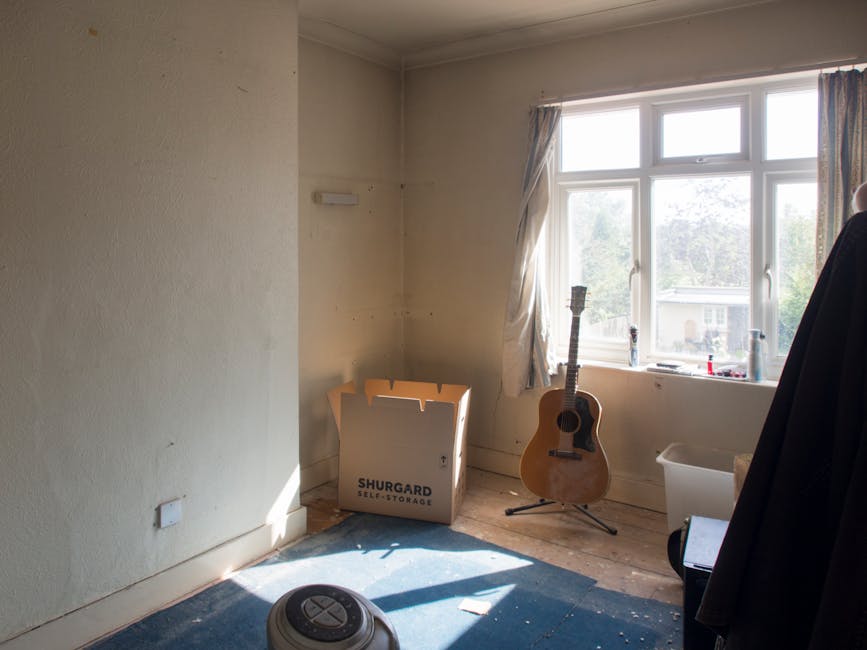
A two-bedroom flat needed clearing after a long tenancy. The contents were not extreme, but they were varied: a sofa, two small wardrobes, a mattress, several box bags of household items, a broken microwave, mixed general rubbish, and a few loose bits in the kitchen cupboards. The flat was on an upper floor, there was no lift, and parking outside was limited to a short loading window.
The first step was to identify what could stay and what had to go. The resident wanted to keep a few sentimental boxes and some paperwork, so those were removed and set aside before the clearance began. That alone made the rest of the job much easier. Small win, but a meaningful one.
Next, the bulky furniture was handled first while the access route was still clear. That is often the right move in flats because once bagged waste starts moving, it can clutter hallways quickly. After the heavy items were out, the remaining mixed waste was sorted into general rubbish and recyclable items. The appliance was handled separately to keep the process tidy.
The main challenge was time, not volume. The stairs took longer than expected, and the team had to be careful not to mark the wall corners on the way down. Nothing dramatic, just the usual London-flat reality. By working in the right order and not rushing, the clearance stayed controlled, and the flat was left ready for the next stage.
What did this example show? Mainly that a moderate flat clearance can become much smoother when access, item type, and removal order are thought through before anyone starts lifting. No magic, just sensible planning.
Practical Checklist
Use this checklist before the clearance day. It saves hassle. Honestly, it does.
- Confirm the exact address, floor, and access details.
- List items to remove and items to keep.
- Set aside valuables, documents, and sentimental pieces.
- Check whether any electricals, white goods, or bulky furniture need special handling.
- Ask about recycling, reuse, and disposal handling.
- Clear hallways and the main route out of the flat.
- Confirm parking or loading arrangements if relevant.
- Check building rules, lift bookings, or time restrictions.
- Take before photos if you want a record.
- Agree on the expected finish level, not just the removal itself.
One more thing: if the flat has been empty for a while, give yourself a little extra margin. Dust, odours, and forgotten corners can slow things down. Nothing dramatic, just life doing its thing.
Conclusion
A Kennington SE11 flat clearance with rubbish removal works best when it is treated as a planned project rather than a last-minute lift-and-go job. Once you think in terms of access, sorting, item type, and disposal route, the whole process becomes more manageable. That is the real lesson here. Clear structure beats frantic effort every time.
For landlords, sellers, tenants, and families alike, the goal is simple: clear the flat safely, leave it in good order, and avoid unnecessary stress. The right approach can save time, reduce waste, and make a difficult day feel more controlled. And if you are staring at a room full of bags and wondering where on earth to begin, start with one corner. Always one corner.
If you want to compare your options or plan the next step with more confidence, a useful place to begin is the broader about us page, which helps set expectations around service style and working approach.
Get a free quote today and see how much you can save.
Sometimes the best part of a clearance is simply seeing the floor again. Small victory, but a real one.


 Tipper Van - Waste Disposal and Junk Removal Prices in Lambeth, SW9
 Luton Van - Waste Disposal and Junk Removal Prices in Lambeth, SW9